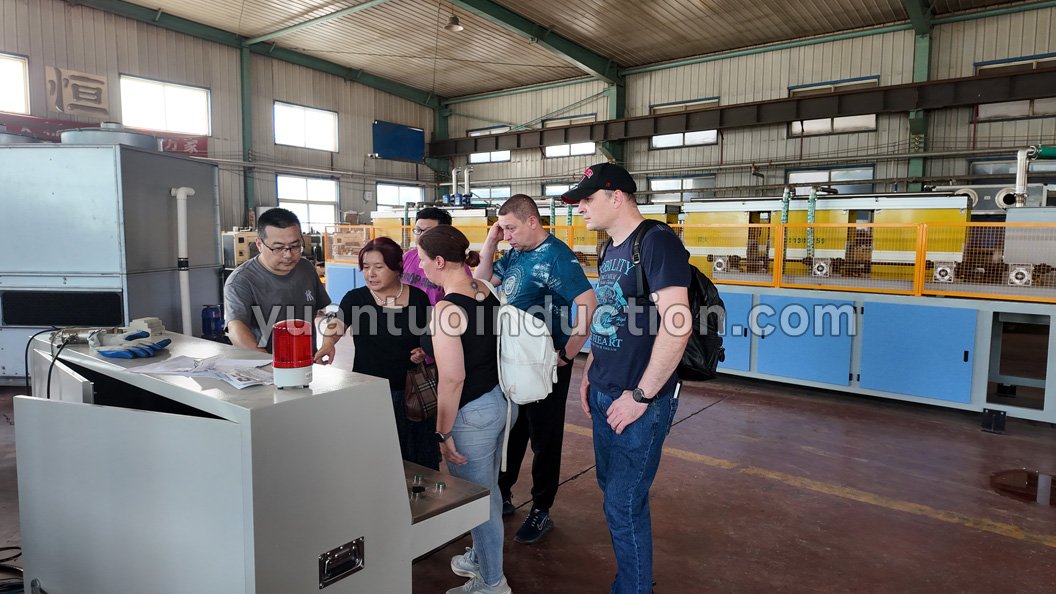
When inquiring about hot rolling mill equipment for steel balls, customers typically have three main concerns: is the overall price of the equipment too high? Can it handle the production of multiple specifications? And is there a significant temperature difference between the core and surface of the steel balls or bars during the heating process? In reality, all three questions are closely related to the rationality of the entire production line solution.
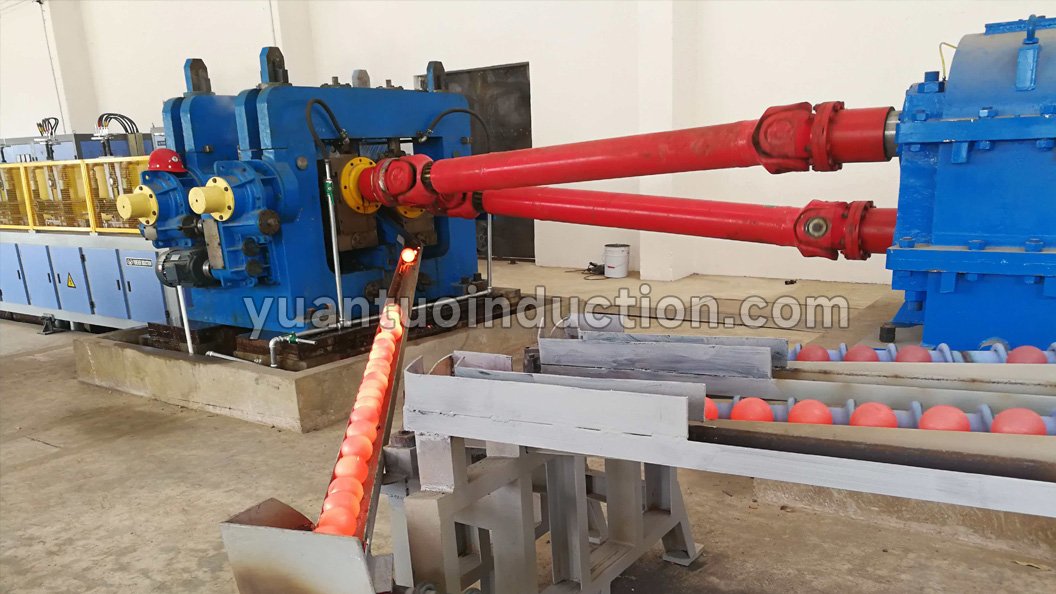
First, let’s discuss the price. The price of hot rolling mill equipment cannot be simply determined by a single mill or heating unit. It depends on whether the customer requires a single-machine configuration or a complete production line solution encompassing feeding, induction heating, rolling, and subsequent heat treatment. Different steel ball diameter ranges, capacity requirements, automation levels, and control requirements will directly impact the overall line configuration and equipment price. For many customers, the real comparison isn’t about “which company offers the lowest price,” but rather which hot rolling mill solution is best suited for their long-term, stable production.
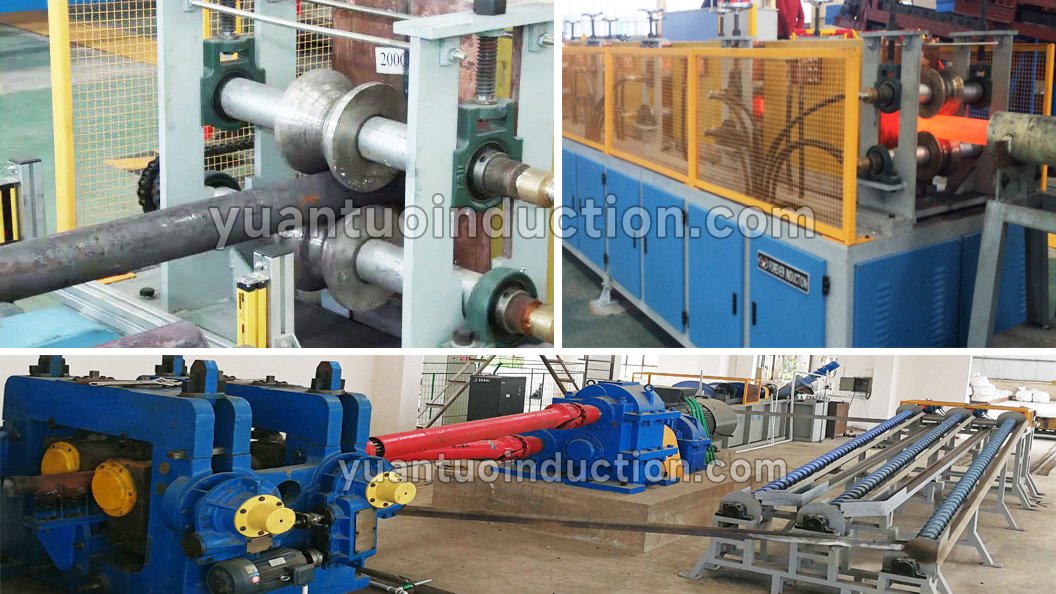
Regarding whether a single machine can produce multiple sizes is also a typical issue in steel ball projects. Generally, a hot rolling mill can cover a certain range of specifications, but not all sizes can be universally applied without adjustments. The larger the specification range, the higher the requirements for heating, guiding, roll matching, and cycle time control. A mature solution should clearly define the customer’s primary specifications, common switching ranges, and production capacity targets in the early stages before deciding whether to design the equipment based on a multi-specification compatibility approach, rather than passively adjusting it later.
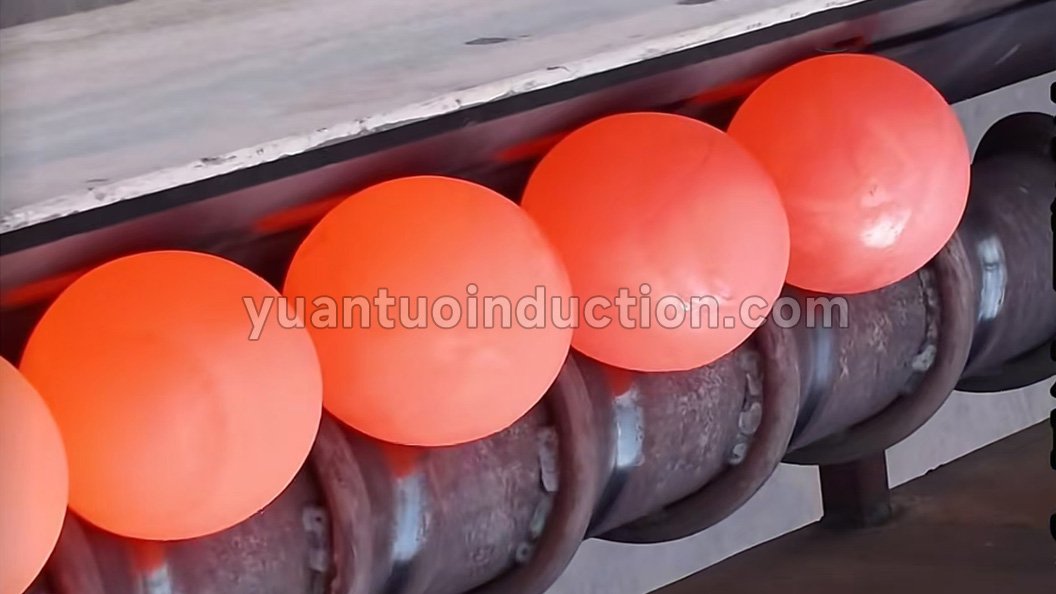
Regarding the core-surface temperature difference, this is crucial for the stable operation of many steel ball projects. If the outer layer of the bar stock has already reached the rolling temperature before entering the mill, while the core temperature is too low, it can easily lead to unstable deformation, fluctuations in forming, and even inconsistent subsequent performance. A large core-surface temperature difference is often related to the bar stock diameter, induction frequency, heating length, heating cycle time, and multi-stage temperature control configuration. To ensure the true stability of hot rolling equipment for steel balls, the key is not simply whether the heating is “red-hot,” but whether the temperature state before entering the mill truly matches the rolling requirements.
Hebei Yuantuo can provide customized solutions for hot rolling equipment for steel balls, comprehensively designing solutions around specification ranges, output, heating methods, and overall line cycle time. Yuantuo’s professional engineers provide one-on-one support, offering free solution design and providing on-site application videos to help customers better understand the actual configuration and operating effects of hot rolling projects for steel balls.