
When planning a steel bar heat treatment project, many customers first ask:
“How much power is required?”
Power is an important factor, but it is not the only factor that determines the final solution.
A stable continuous steel bar quenching and tempering line must consider:
Even when two customers produce steel bars with the same diameter, their equipment solutions may be different due to differences in production capacity and process requirements.
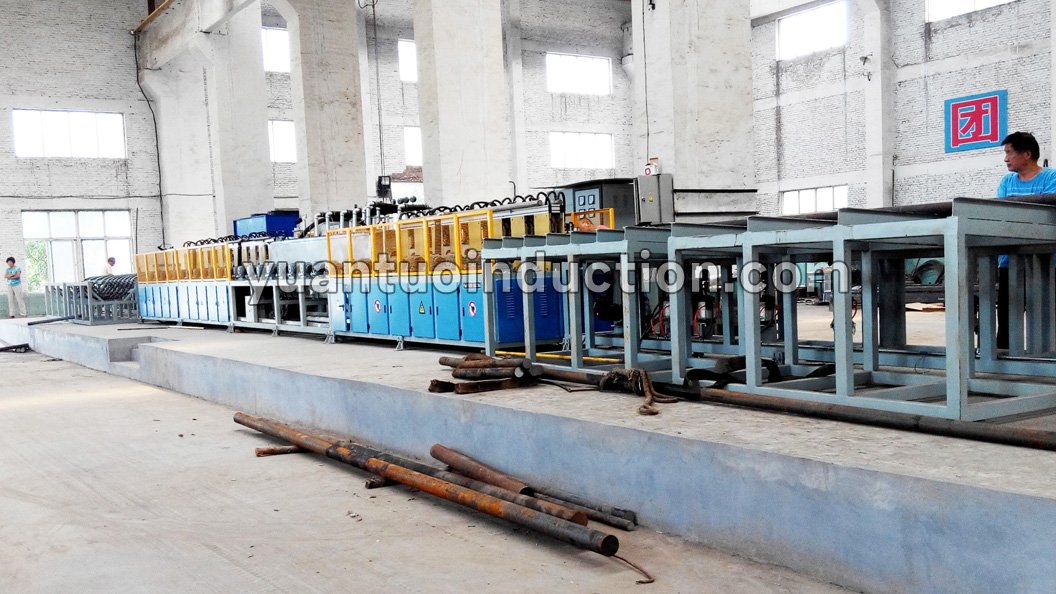
The workpiece size is one of the most important factors in line design.
Engineers need to evaluate:
For example:
Usually require attention to:
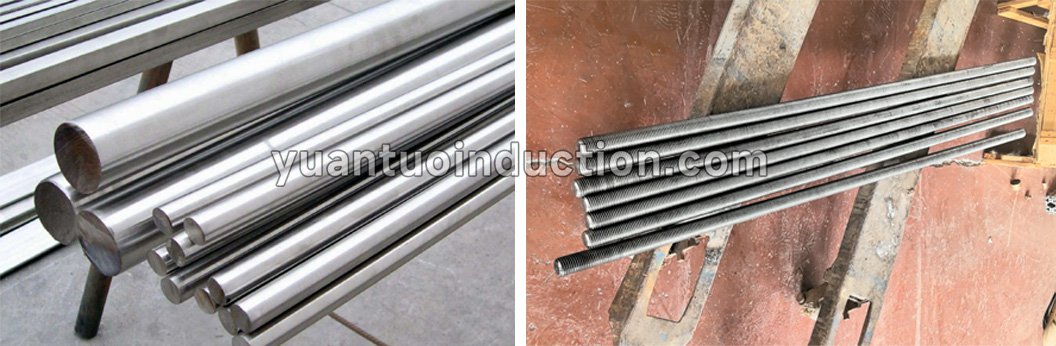
Require consideration of:
Therefore, different diameter ranges may require different heating configurations.
Different steel grades have different heat treatment characteristics.
Before designing the line, engineers need to understand:
For example:
Steel bars with the same diameter may require different:
depending on the required mechanical properties.
Industrial production requires not only reaching the required temperature but also maintaining continuous operation.
Important factors include:
If heating speed and conveying speed are not properly matched, problems may occur:

A complete continuous steel bar heat treatment line normally includes:
Provides continuous feeding and improves production efficiency.
Designed according to:
Including:
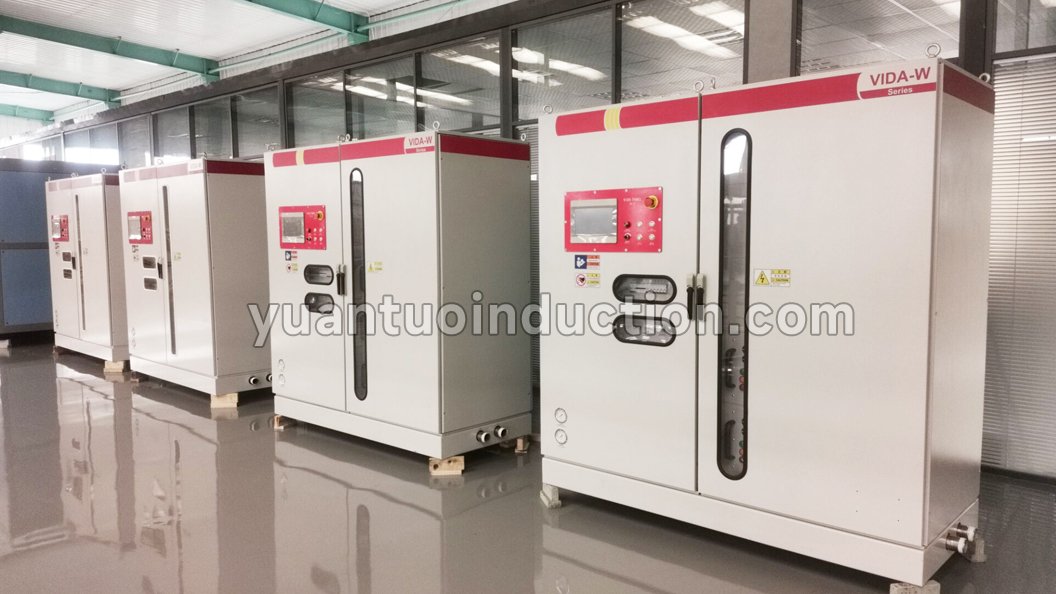
Used to monitor:
Designed according to heat treatment requirements, including:
Used to achieve required mechanical properties during Q&T processing.
Completes the continuous production process.
Many customers do not produce only one steel bar specification.
A production line may need to process:
If future product changes are not considered during the design stage, problems may occur:
Therefore, future production plans should be considered when designing the system.
Before engineering design, customers usually need to provide:
Different manufacturers have different production conditions.
A standard equipment configuration may not meet all requirements, including:
Therefore, steel bar quenching and tempering lines are usually designed according to actual production requirements.
A complete solution requires coordination between:
Proper integration helps achieve stable and continuous production.
Before requesting a steel bar Q&T line, prepare:
✔ Steel bar diameter range
✔ Length
✔ Material grade
✔ Target hardness
✔ Quenching and tempering requirements
✔ Production capacity
✔ Automation requirements
✔ Factory layout
Yes.
However, the system should be designed according to the required size range and production conditions.
Because the complete solution also depends on material, length, production capacity and heat treatment requirements.
A complete line usually includes heating, conveying, temperature monitoring, cooling, tempering and automatic control systems.
Because each customer has different products, production targets and operating conditions.
