
In a grinding ball production line, the induction heater and rolling mill must work at a compatible production rate.
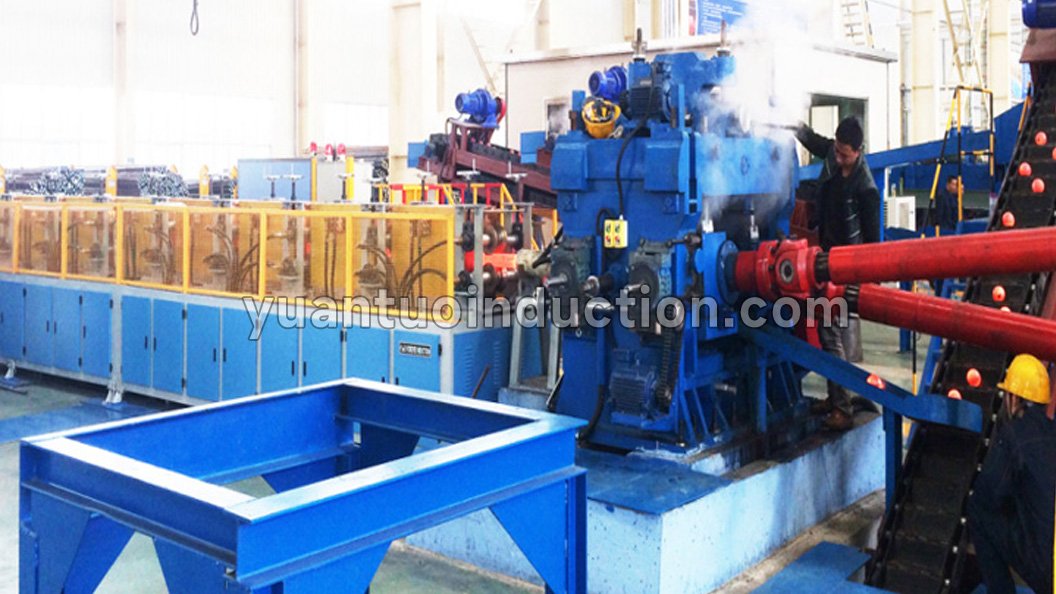
Selecting a steel bar heater for grinding balls requires more than comparing installed power with the mill’s stated maximum output.
Specify the ball sizes, feed bar dimensions, steel grades and required output for each main product.
A production target should relate to a defined product and operating condition. Different ball sizes can create different feeding and rolling requirements.
Provide the incoming bar temperature and required condition at the rolling mill entry.
The transfer distance also matters. Temperature at the heater exit may differ from the temperature at the point of rolling because the bar loses heat during transfer.
Bar feeding, heating and mill entry must be considered together. Frequent interruptions can change the thermal condition of material waiting between sections.
The proposal should therefore address normal operation, short stops and restart procedures.
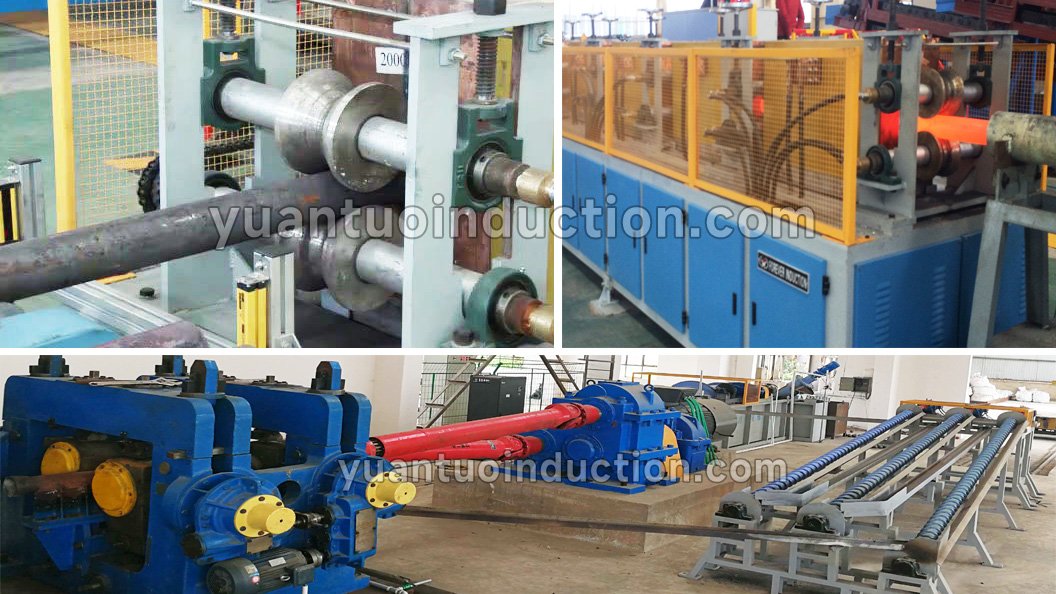
Hot ball transfer and subsequent heat treatment must be able to handle the planned rolling output. A bottleneck after the mill can limit the entire line.
Send Yuantuo your main ball sizes, bar specifications, heating requirements, mill information and production targets. These details provide a practical basis for evaluating an induction heating system for grinding ball rolling.
