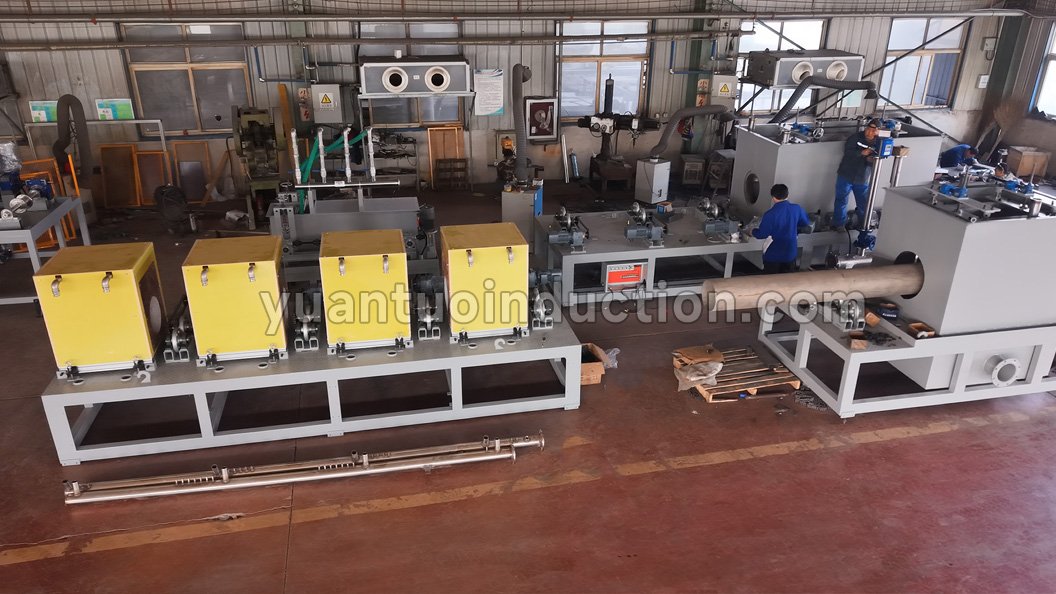
Two steel pipes with the same outside diameter can require different heat treatment equipment. Wall thickness, steel grade, length and target properties all influence the process.
When selecting a steel pipe heat treatment line, the first step is to define what treatment the product actually needs.
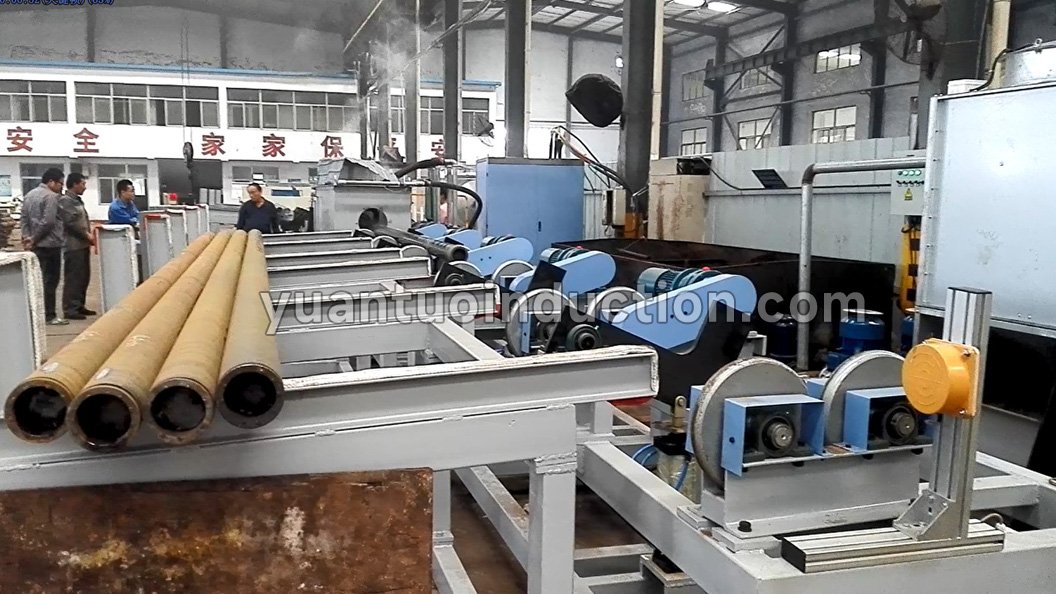
Outside diameter describes the external size, but wall thickness determines the amount of steel in each metre of pipe.
It also affects how heat must develop through the wall. Reaching a surface temperature does not, by itself, confirm that the required thermal condition has been achieved throughout the material.
A pipe quenching and tempering line has a different purpose from equipment used for weld seam treatment or coating preheating.
The enquiry should identify the treatment area, required properties and applicable acceptance requirements. These processes should not be grouped together simply because all use induction heating.
Pipe length influences loading, support and unloading. The required output affects travel speed and the coordination of heating and cooling sections.
Where several sizes are produced, capacity should be assessed for representative diameter and wall thickness combinations.
Provide outside diameter, wall thickness, length, steel grade, incoming condition and required output. Include the heat treatment specification or product acceptance document when available.
With this information, Yuantuo can review the appropriate configuration of a custom steel pipe or tube heat treatment system.