In many industrial projects, customers initially look for a standard equipment solution.
However, continuous induction heat treatment is closely related to the characteristics of the workpiece and production requirements.
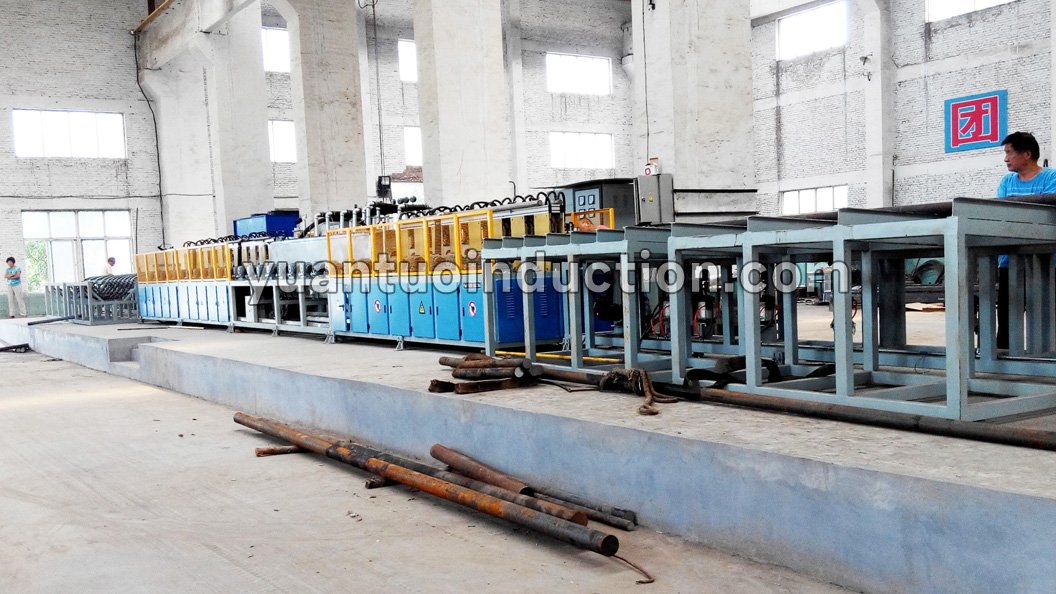
For example:
Steel bars mainly require consideration of:
Steel pipes require attention to:
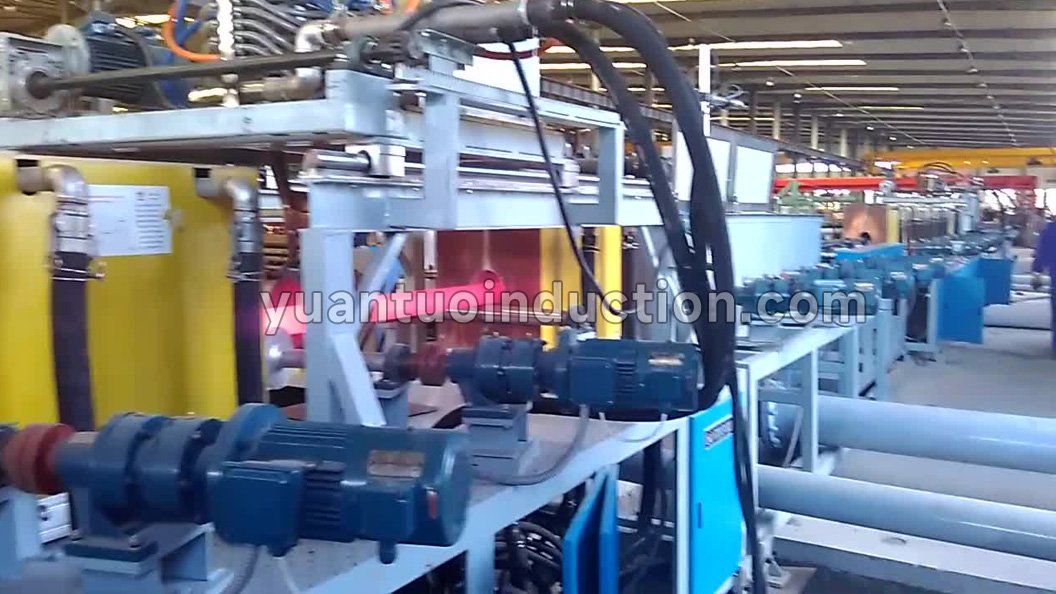
Billets require consideration of:
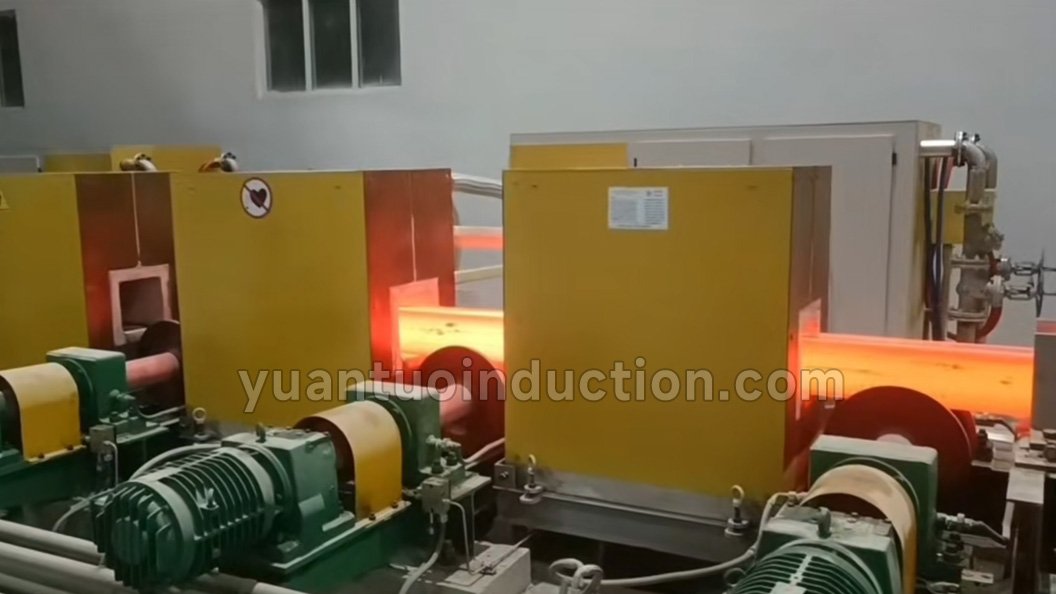
Therefore, a solution designed for one application may not achieve the expected results for another product.
A complete induction heating solution usually requires evaluation of multiple factors.
The first step is understanding the actual product.
Important information includes:
These factors directly influence:
Different production goals require different process designs.
Typical applications include:
Each process requires different:
For continuous industrial production, the system must match the required output.
Important considerations include:
A successful solution must not only heat the workpiece but also support stable long-term production.
The induction coil is one of the most important components affecting heating performance.
Different workpieces require different electromagnetic field distributions.
For example:
Steel bar heating requires consideration of:
Steel pipe heating requires consideration of:
Special-shaped products require specially designed coil structures according to their geometry.
A standard coil cannot always achieve the required heating effect for every application.
A continuous induction heat treatment line usually includes:
All these sections must work together.
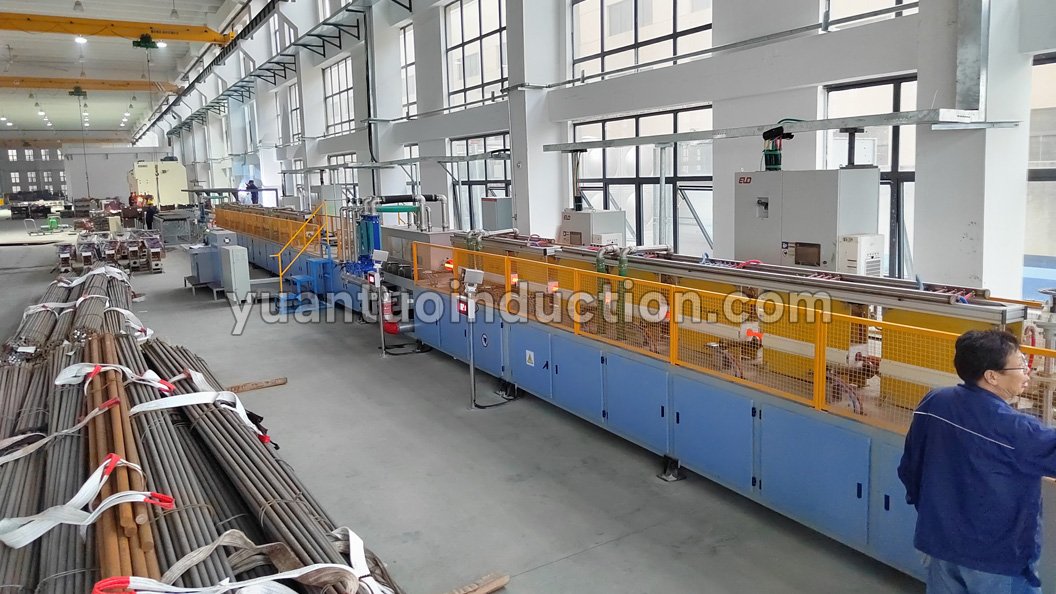
For example:
If heating speed does not match conveying speed:
If the cooling system does not match the process requirements:
Therefore, complete system design capability is often more important than a single equipment specification.
Confirm:
Determine:
Including:
Verify:
For customized induction heating projects, a supplier needs more than equipment manufacturing capability.
It also requires understanding of:
The most suitable solution is not necessarily the one with the highest power, but the one that best matches the customer’s actual production requirements.
Before requesting a customized induction heating solution, prepare:
✔ Product type
✔ Material grade
✔ Dimensions
✔ Length
✔ Heat treatment requirements
✔ Production capacity
✔ Factory layout
✔ Automation requirements
Because different products have different dimensions, materials, heat treatment requirements and production targets.
For simple applications or testing purposes, standard equipment may be suitable.
However, continuous industrial production usually requires a solution designed according to actual operating conditions.
Usually:
are required for engineering evaluation.
Not necessarily.
The purpose of customization is to make the equipment better match the actual production process and improve long-term operating stability.
Related Products
Designing a customized induction heating line requires evaluation of the complete production process rather than selecting a single equipment parameter.
Workpiece dimensions, material grade, heat treatment requirements, production capacity and factory conditions all influence the final solution.
Providing complete technical information helps engineers develop a more suitable continuous induction heating system for your specific manufacturing requirements.
