
Steel bars, steel pipes and billets may have similar dimensions but require very different equipment configurations due to differences in material grade, target temperature, heat treatment requirements and production capacity.
For this reason, designing a customized induction heating line starts with understanding the actual production conditions rather than simply selecting a standard equipment model.
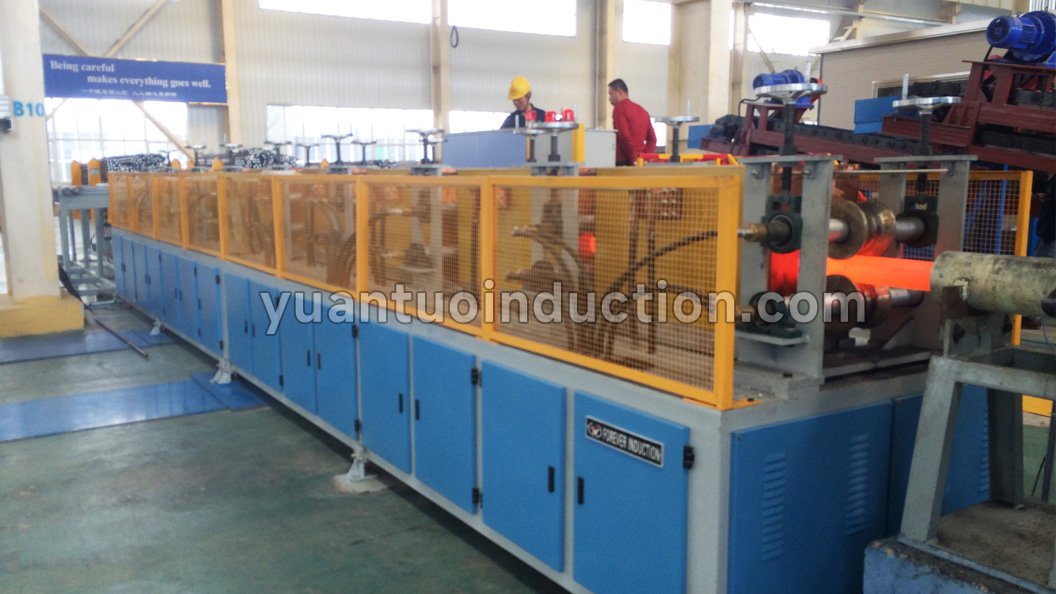
The first step is to confirm the workpiece specifications.
For different products, the required information includes:
If several sizes will be processed on the same line, the minimum, maximum and commonly produced specifications should also be provided.
These parameters influence induction coil design, conveying equipment and the overall line configuration.
Material grade is another important factor.
Different carbon steels and alloy steels may require different heating and heat treatment conditions.
The required process should also be clearly defined, such as:
For heat treatment projects, target hardness, hardening depth or other required mechanical properties should also be provided when applicable.
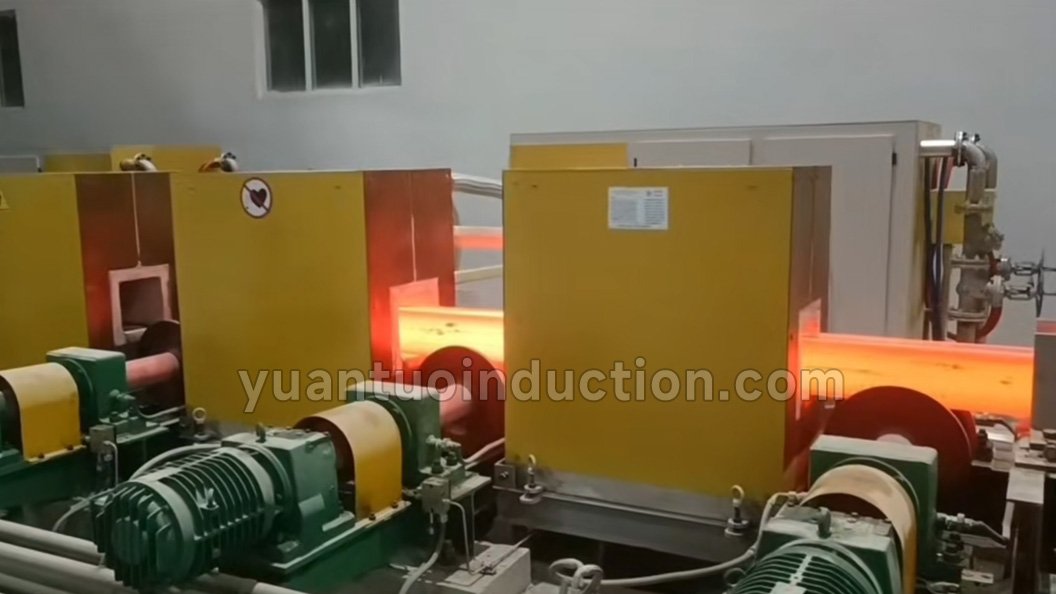
For a continuous production line, reaching the target temperature is only part of the requirement.
Engineers also need to understand:
These parameters determine how the heating, conveying and cooling sections should be matched.
For example, a system designed for one production capacity may not be suitable for the same workpiece at a significantly different production rate.
Factory conditions also affect the final equipment layout.
Before engineering design, it is useful to provide:
This information helps the production line fit the actual factory conditions instead of forcing the factory to adapt to a standard machine layout.
For a customized induction heating project, we recommend providing at least:
Workpiece type + dimensions + length + material grade + process requirements + target temperature/hardness + production capacity + automation requirements.
For steel pipe projects, wall thickness should also be provided.
For billet reheating or temperature compensation projects, information such as inlet temperature, target rolling temperature and rolling mill takt time is also important.
The more complete the production information, the easier it is for engineers to evaluate the application and develop an appropriate customized line configuration.
The diameter is useful for initial discussion, but it is normally not sufficient for complete line design. Material grade, length, process requirements and production capacity can all affect the final configuration.
Possibly. The complete size range should be evaluated during the design stage so that product changeover and different production conditions can be considered in advance.
Because a continuous induction heating line needs to coordinate heating speed, conveying speed, cooling process and overall production takt time.
Related Products
There is no single induction heating line configuration suitable for every workpiece.
Providing complete information about workpiece dimensions, material grade, process requirements and production capacity allows engineers to evaluate the actual production conditions and develop a customized continuous induction heating solution accordingly.
