Description
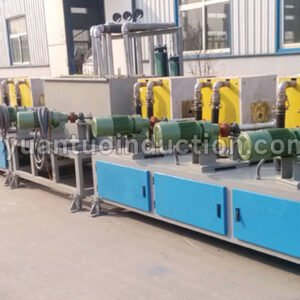
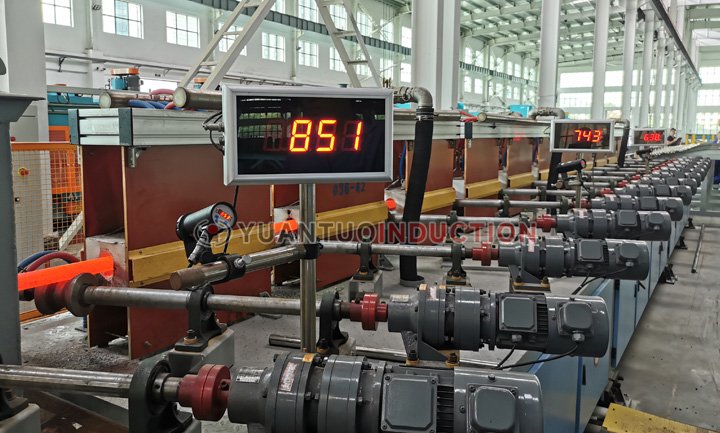
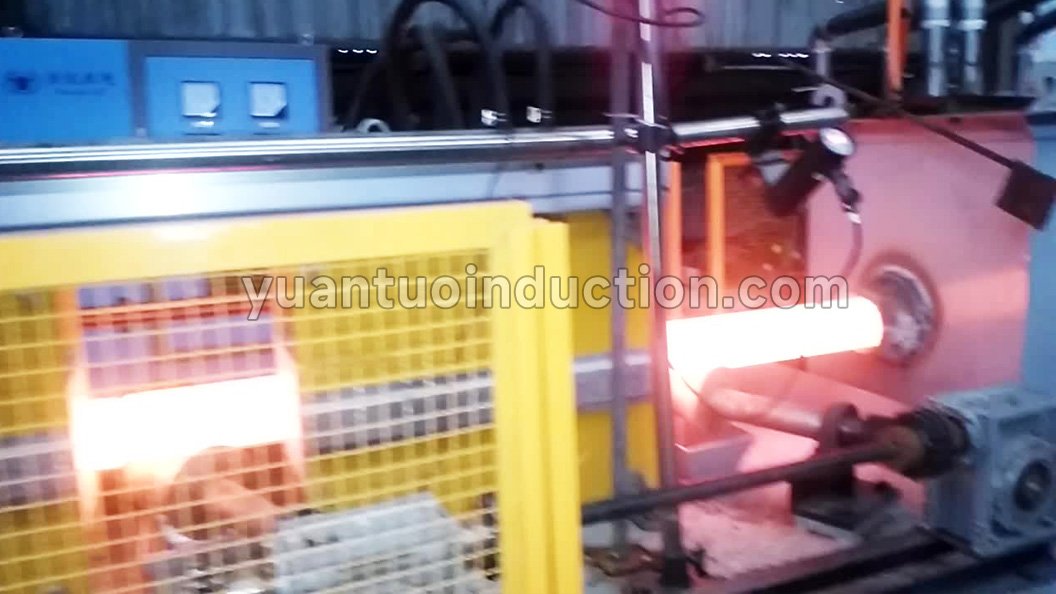
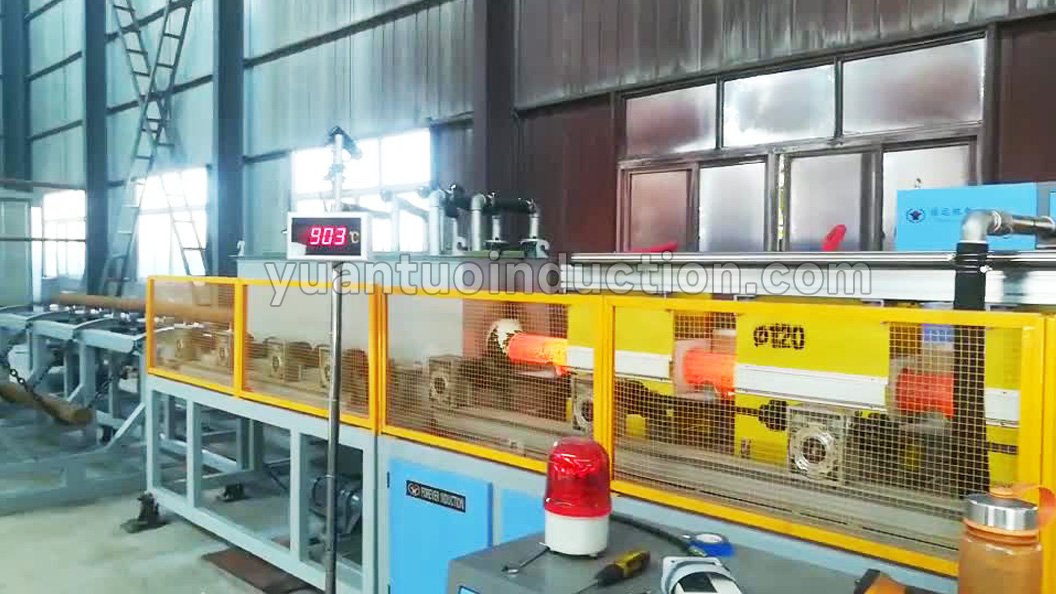
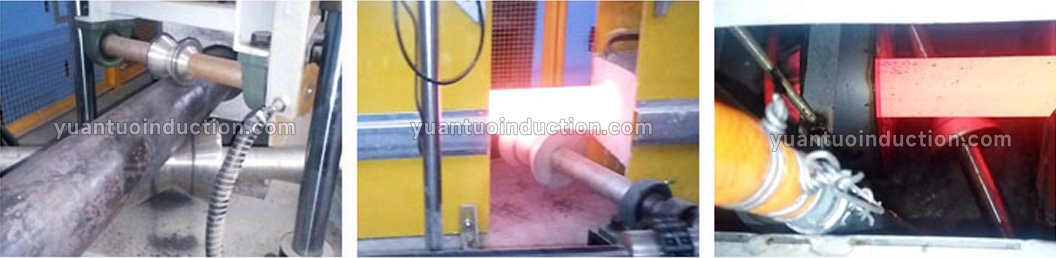
The bar quenching heat treatment production line is a complete system designed for continuous induction heating, quenching, and tempering of steel bars.
Also referred to as a steel bar quenching processing line, bar induction quenching line, or round bar quenching production line, it integrates heating, cooling, conveying, and control systems into a unified process.
This type of production line is widely used for achieving uniform hardness, stable microstructure, and repeatable mechanical performance in industrial-scale heat treatment.
🔹 What This Production Line Solves
In bar heat treatment projects, the key challenges are:
* Hardness variation along the bar
* Inconsistent results between batches
* Temperature fluctuation during heating
* Mismatch between heating and quenching rhythm
The bar quenching heat treatment production line is designed to solve these problems through:
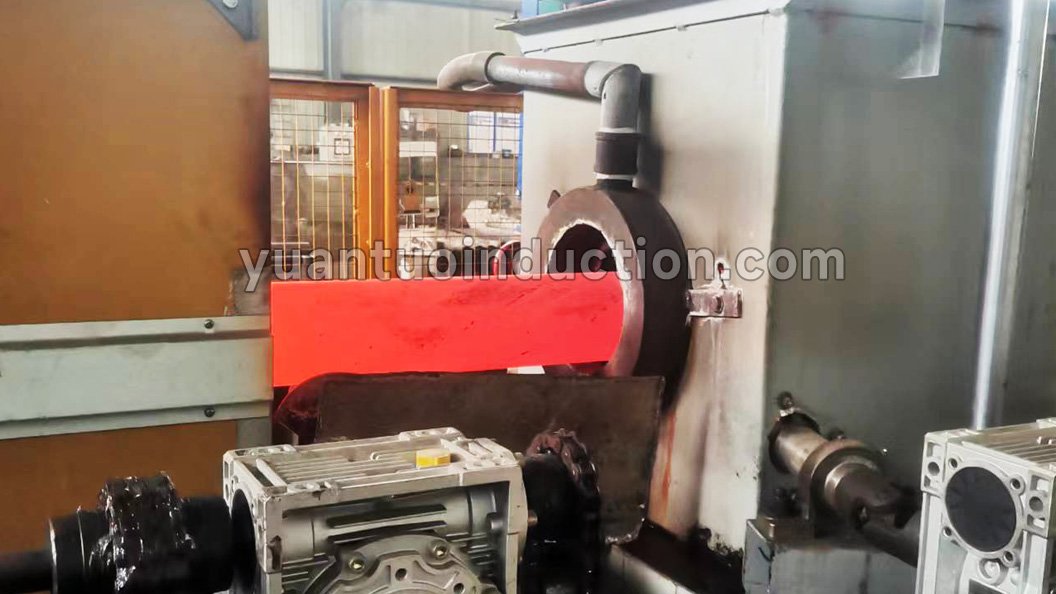
* Continuous induction heating
* Controlled quenching and tempering
* Automated process synchronization
🔹 Process Overview
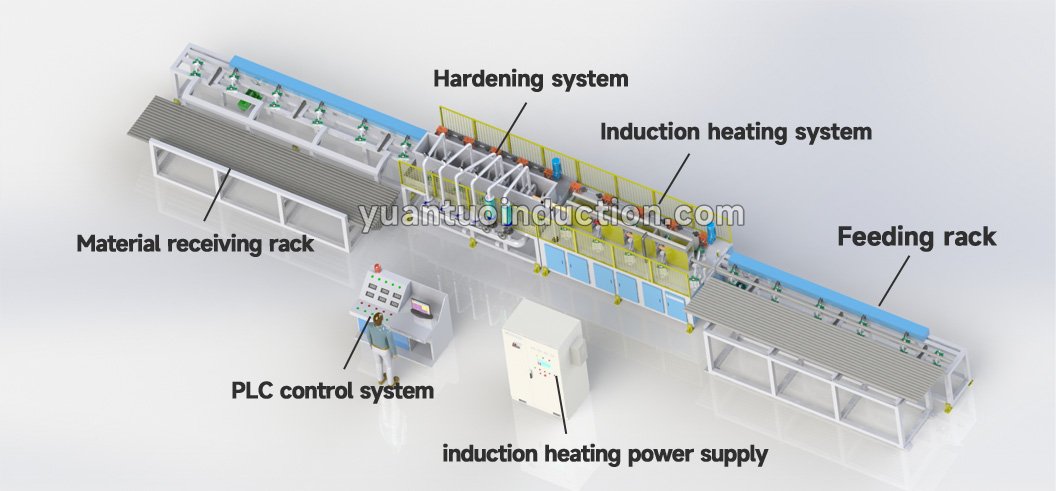
A typical steel bar quenching processing line includes:
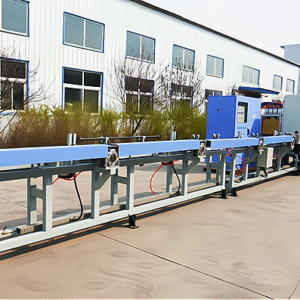
1. Automatic loading system
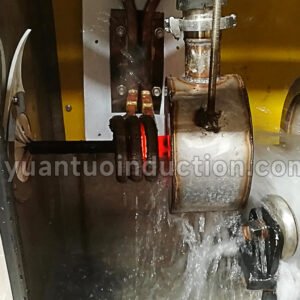
2. Induction heating section (quenching stage ~950°C)
3. Spray quenching system
4. Cooling and discharge system
🔹 Key Process Capabilities
✅ Uniform Hardness Control
* Consistent hardness along the entire bar
* Batch-to-batch stability
* Typical hardness deviation tightly controlled
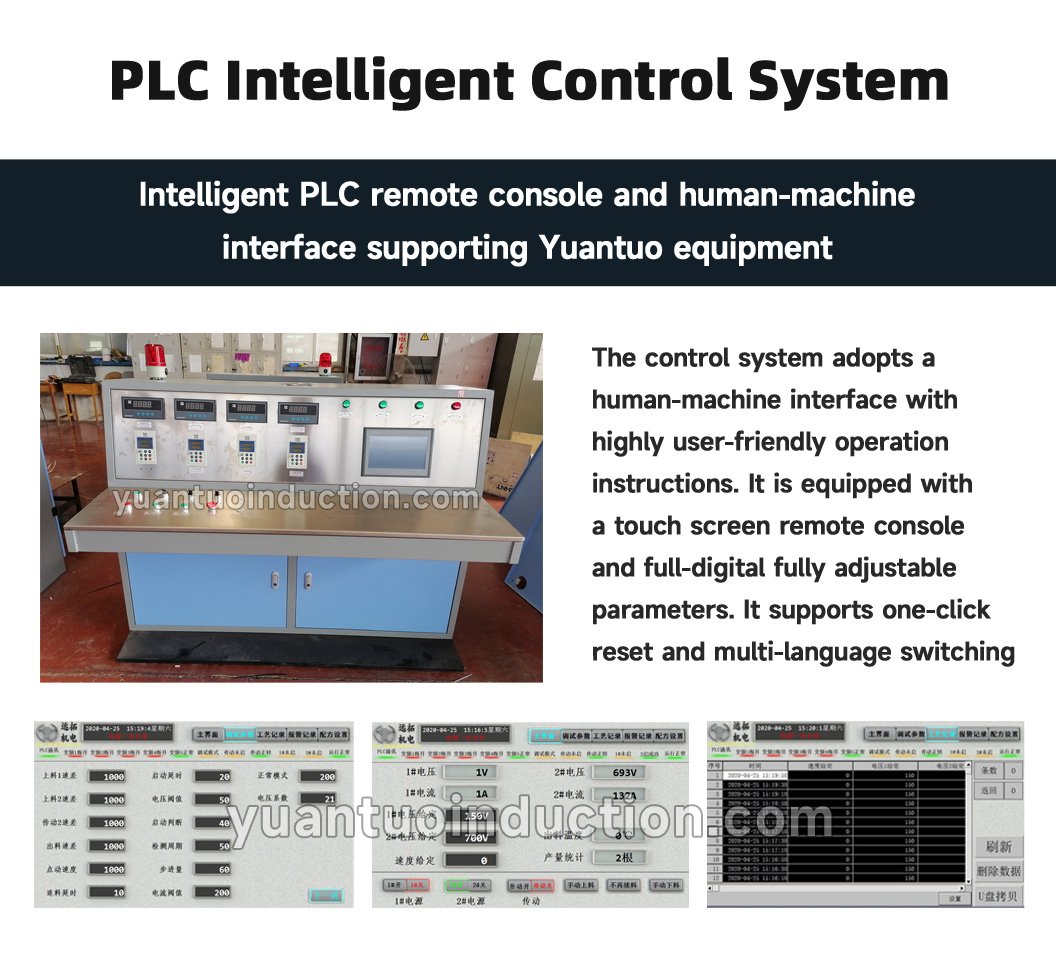
✅ Stable Temperature Control
* Infrared temperature measurement
* PLC closed-loop control
* Real-time power adjustment
✅ Continuous Production Rhythm
* Synchronization of feeding, heating, and quenching
* No interruption between processes
✅ Controlled Microstructure
* Uniform metallurgical structure
* Improved mechanical properties (strength, toughness, elongation)
🔹 Production Line Configuration
The bar induction quenching line typically includes:
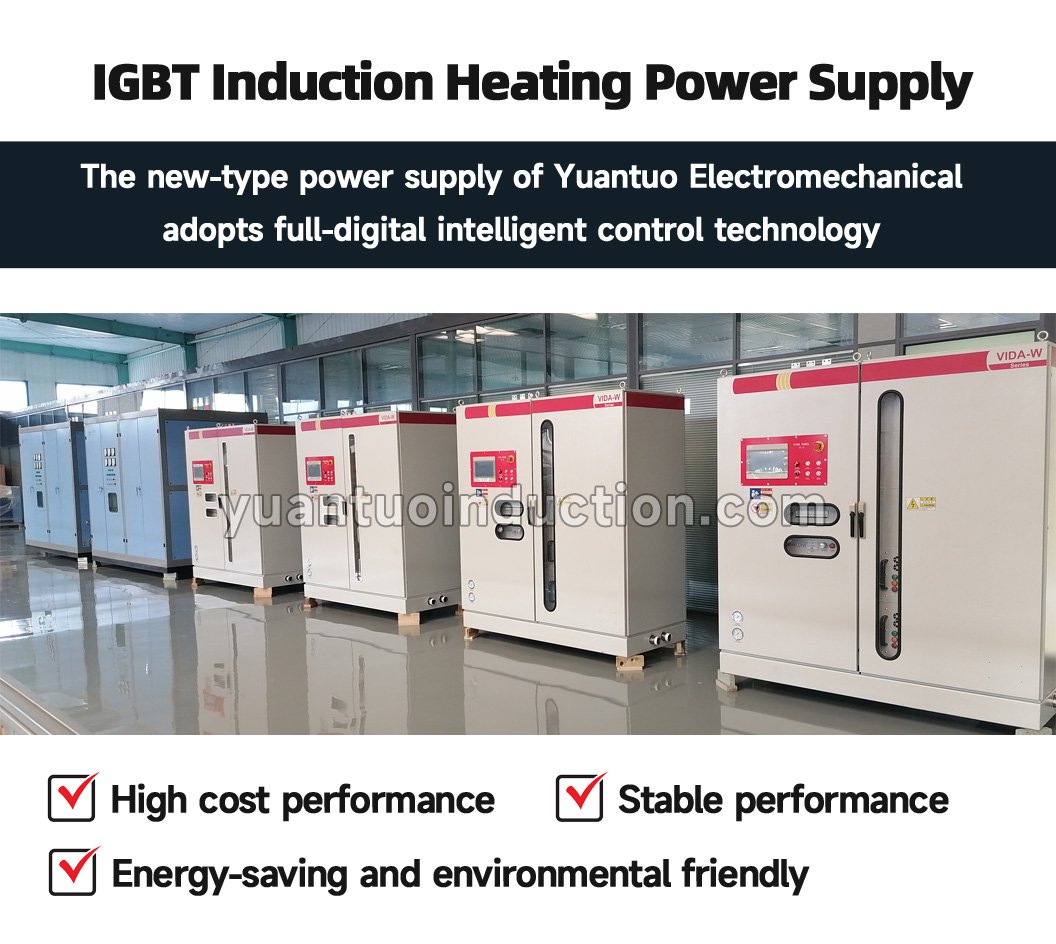
* Medium-frequency induction heating system
* Induction coils (multi-set for different diameters)
* Roller conveying system (with rotation for uniform heating)
* Spray quenching system
* Tempering system
* Infrared temperature measurement system
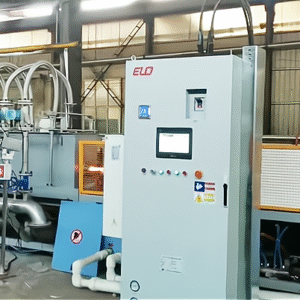
* PLC control system
* Cooling water system
🔹 Applicable Workpieces
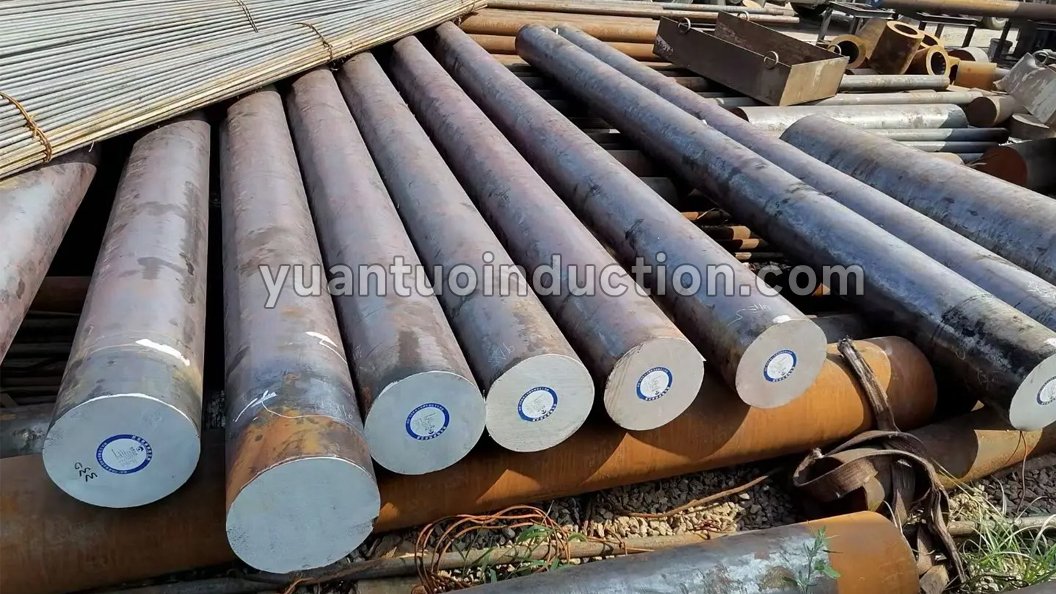
This round bar quenching production line is suitable for:
* Round bars and steel rods
* Shafts and mechanical components
* Hydraulic rods
* Alloy steels (40Cr, 42CrMo)
* Carbon steels (45# steel)
Typical range:
* Diameter: 20–150 mm
* Length: 2–6 meters
🔹 Technical Specifications
* Quenching temperature: ~950°C
* Production capacity: up to 2 tons/hour (depending on bar size)
* Power range: 160–8000 kW
* Frequency: 100 Hz – 8000 Hz
* Control: PLC + infrared closed-loop
🔹 Advantages of Bar Quenching Production Line
✅ Integrated process: heating + quenching + tempering in one line
✅ High automation: minimal manual intervention
✅ Stable product quality: repeatable process parameters
✅ Energy efficiency: induction heating reduces energy loss
✅ Flexible configuration: adaptable to different bar sizes
Induction-based systems ensure fast heating, low oxidation, and consistent performance
🔹 System Variants
Depending on production requirements, the system can be configured as:
* Steel bar quenching processing line
* Bar induction quenching line
* Round bar quenching equipment production line
* Round bar quenching line
The bar quenching heat treatment production line (also known as steel bar quenching processing line, bar induction quenching line, or round bar quenching production line) provides:
* Continuous and stable heat treatment
* Uniform hardness and microstructure
* Precise temperature control
* High production efficiency
It is the preferred solution for industrial-scale bar heat treatment projects requiring consistent quality and reliable operation.